Schengen Area visas
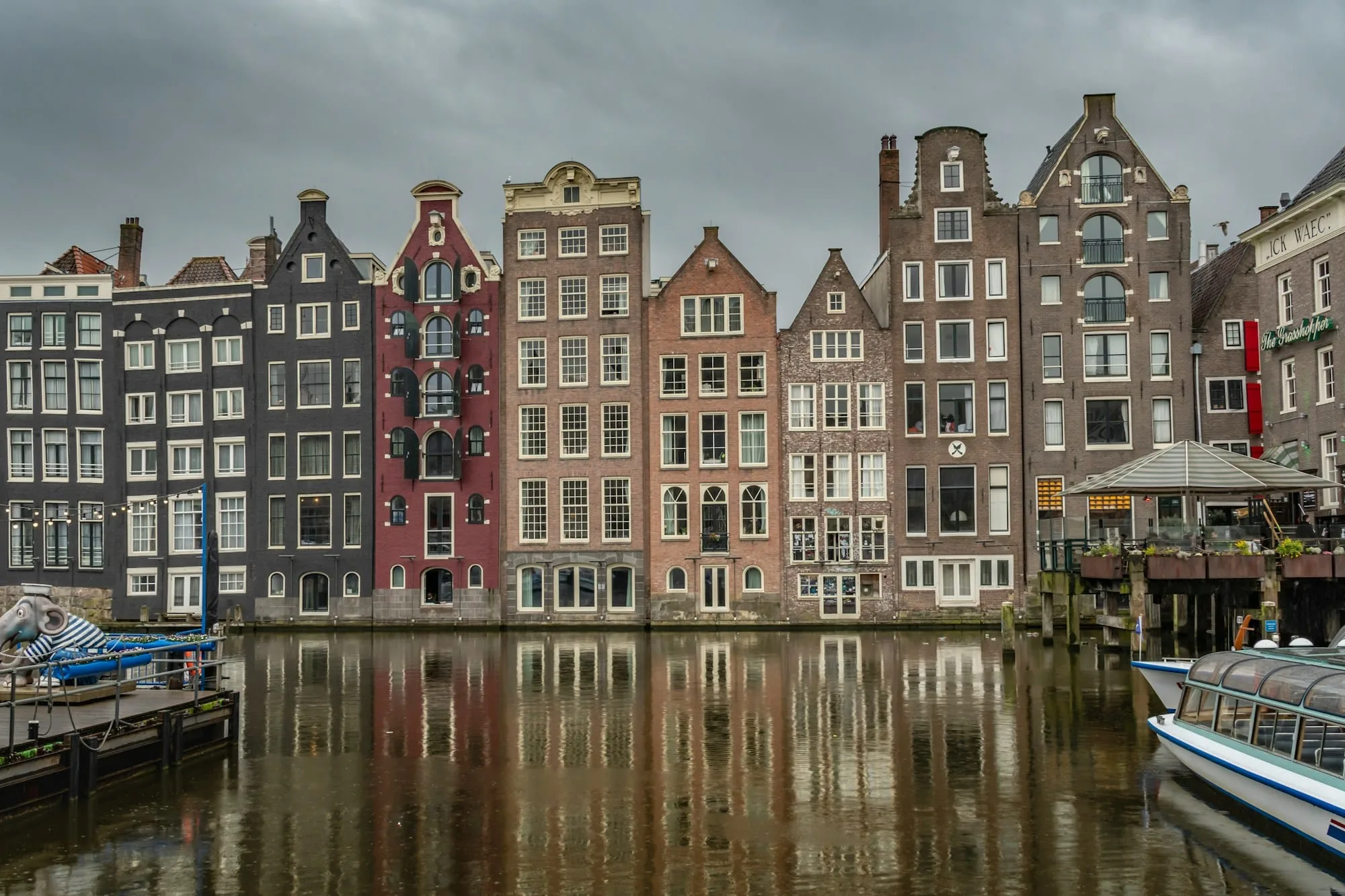
The main Schengen routes
Each route has its own rules and evidence. These are the ones we are asked about most; an adviser can tell you which one fits your plans.
Tourist visa
Holidays and sightseeing across the Schengen Area.
Business visa
Meetings, conferences and trade fairs.
Family and friends visit
Visiting relatives or friends who live in a Schengen country.
Which country to apply to
Apply to the country of your main destination or longest stay.
The Schengen area is a group of 29 European countries that have removed most controls at their shared borders: 25 European Union countries plus Iceland, Liechtenstein, Norway and Switzerland. A short-stay Schengen visa usually lets you travel across all of them.
The United Kingdom and Ireland are not in Schengen. A Schengen visa does not allow you to enter either country. Cyprus is in the EU but is not yet a full Schengen member, so check its status before you travel.
The main types of short-stay visit
A short-stay Schengen visa covers several purposes. It is the same type of visa, but the supporting documents depend on why you are travelling and on the consulate's own list:
Tourism: holidays and sightseeing. Your documents will usually show your itinerary, accommodation and money.
Business: meetings, conferences and trade fairs. Your documents will usually show who you are meeting and why, for example an invitation from the company or event.
Visiting family or friends: your documents will usually show who you are visiting and where you will stay.
Every visitor also needs travel medical insurance that is valid across the Schengen area for the whole stay.
Which country to apply to
Under the EU Visa Code, you apply to the country that is your main destination. If you visit one country, apply to that country. If you visit several, apply to the country where you will spend the longest time, or where the main purpose of your trip is. If you will spend equal time in each and no main destination can be decided, apply to the country where you will first enter the Schengen area. You normally apply in the country where you legally live. Our blog guide explains this in more detail with examples.
The 90/180-day rule
A short stay means no more than 90 days in any 180-day period. The 180 days are counted back from each day of your stay, so the period moves. Use the European Commission's short-stay calculator if you have travelled to Schengen recently.
New border systems
The Entry/Exit System (EES) records non-EU travellers' entries and exits, with fingerprints and a facial image. The European Commission says it has been fully operational since 10 April 2026.
ETIAS is a travel authorisation for visa-exempt travellers only. If you need a Schengen visa, you do not also need ETIAS. As of 1 October 2026, the official ETIAS website says it is not yet in operation and that the start date will be announced several months in advance.
Before you apply
Check whether your nationality needs a Schengen visa.
Work out your main destination and the consulate that covers where you live.
Apply no earlier than six months and at least 15 days before your trip.
Get travel medical insurance valid across Schengen for your whole stay.
Gather proof of accommodation, money and reasons to return home.
Check the consulate's own document list, as local requirements differ.
Check your previous Schengen stays against the 90/180-day rule.
Common reasons for refusal
The Visa Code lists the grounds for refusal. In general terms, they include:
the purpose and conditions of your stay were not justified;
not enough proof of money for your stay and return;
reasonable doubts about your intention to leave before the visa expires;
reasonable doubts about the reliability of your documents or statements;
no adequate travel medical insurance;
you have already used 90 days in the current 180-day period;
an alert in the Schengen Information System, or a security concern.
If you are refused, you have the right to appeal under the law of the country that refused you. The refusal form tells you why and how to appeal.
How long to allow
The European Commission says decisions are usually made within 15 days, and this can be extended up to 45 days in individual cases. Appointment availability is often the bigger delay, so check the consulate's website early.
Official sources
This guide is general information, not legal advice.
Schengen questions, answered
Which country do I apply to for a Schengen visa?
Apply to your main destination. If you visit one country, apply there. If you visit several, apply to the country where you will spend the longest time, or where the main purpose of your trip is.
If you will spend equal time in each and no main destination can be decided, apply to the country where you will first enter the Schengen area. You normally apply in the country where you legally live.
Can I use a Schengen visa to visit the UK or Ireland?
No. The United Kingdom and Ireland are not part of the Schengen area. Each has its own visa rules, and a Schengen visa does not allow you to enter either country.
If your trip includes the UK or Ireland, check their own requirements separately. Cyprus is in the EU but not yet a full Schengen member, so check its rules too.
Do I need ETIAS if I already have a Schengen visa?
No. ETIAS is a travel authorisation for people who do not need a visa to visit Europe. If you need a Schengen visa, you do not also need ETIAS.
As of 1 October 2026, the official ETIAS website says ETIAS is not yet in operation and that the start date will be announced several months in advance. The separate Entry/Exit System has been fully operational since 10 April 2026.
Other destinations
Not sure which route is yours?
Tell us where you are going and why. An adviser will reply within one working day with the options we see.
Or call +44 20 0000 0000Monday to Friday, 9:00–17:30 (UK time)